Clear guidance for cleaner pools.
The Ultimate Guide to Choosing the Best Automatic Pool Cleaner
Discover how to select the best automatic pool cleaner for your needs with our comprehensive guide covering types, features, and top models.
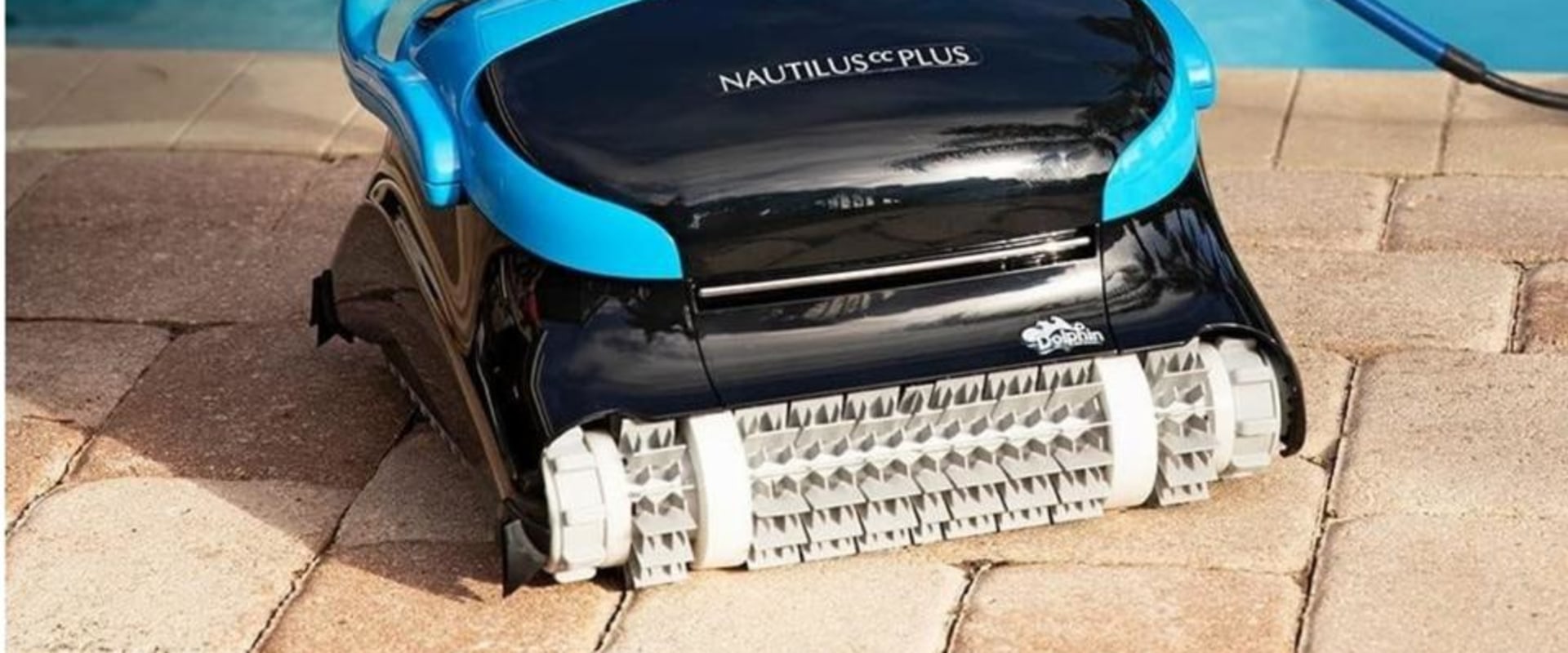
When it comes to maintaining a pristine swimming pool, understanding the various types of pool cleaners available is essential. Each type of cleaner serves a unique purpose and operates differently, making it crucial for pool owners to choose the right one based on their specific needs. In this section, we will explore the different categories of pool cleaners, their functions, and how they can enhance your pool maintenance routine. There are primarily three types of automatic pool cleaners: suction-side cleaners, pressure-side cleaners, and robotic cleaners. Suction-side cleaners connect to your pool's skimmer or dedicated suction line and use the pool's filtration system to create suction that pulls debris into the cleaner.
They are generally more affordable and easy to install but may require more frequent filter cleaning due to their reliance on the pool's filtration system.
Pressure-side cleaners
, on the other hand, utilize water pressure from your pool's return jets to propel themselves around the pool. These cleaners often come with their own debris bags, allowing them to collect larger debris without clogging your filtration system. While they tend to be more expensive than suction-side models, they offer superior cleaning capabilities and are less likely to require frequent maintenance.
Finally, robotic cleaners have gained immense popularity due to their advanced technology and efficiency. These self-contained units operate independently of your pool's filtration system and are equipped with their own motors and filters.
Robotic cleaners can navigate complex pool shapes and sizes, providing thorough cleaning of floors, walls, and even waterlines. Although they may come with a higher upfront cost, their energy efficiency and low maintenance requirements make them a worthwhile investment for many pool owners. Understanding these different types of pool cleaners is vital for making an informed decision that aligns with your cleaning needs and budget. As we delve deeper into this guide, you will gain insights into the specific features and benefits of each type, empowering you to select the best automatic pool cleaner for your swimming oasis.
Why Invest in an Automatic Pool Cleaner?
Investing in an automatic pool cleaner can transform your pool maintenance routine, offering a multitude of benefits that manual cleaning simply cannot match. Here are some compelling reasons to consider making the switch:- Time-Saving Efficiency: One of the most significant advantages of automatic pool cleaners is the time they save.
Instead of spending hours skimming, vacuuming, and scrubbing your pool, you can set an automatic cleaner to do the work for you. Many models can clean your entire pool in just a few hours, allowing you to spend more time enjoying your pool rather than maintaining it.
- Consistent Cleaning Performance: Automatic pool cleaners are designed to provide thorough and consistent cleaning. They can navigate the contours of your pool, reaching areas that are often missed during manual cleaning. This ensures that every corner, wall, and step is cleaned effectively, resulting in a sparkling pool.
- Improved Pool Hygiene: Regular cleaning is essential for maintaining water quality and hygiene.
Automatic cleaners help remove debris, algae, and bacteria that can accumulate in your pool. By keeping your pool clean consistently, you reduce the risk of waterborne illnesses and ensure a healthier swimming environment for you and your family.
- Energy Efficiency: Many modern automatic pool cleaners are designed with energy efficiency in mind. They often use less energy than traditional cleaning methods, which can lead to lower utility bills. Additionally, some models operate on solar power or have programmable settings that allow them to run during off-peak hours.
- User-Friendly Operation: Most automatic pool cleaners are incredibly easy to use.
Simply drop them into the water, set the timer or select the cleaning mode, and let them do their job. This user-friendly operation means that even those who are not particularly handy can maintain a clean pool without hassle.
Key Features to Look for in an Automatic Pool Cleaner
When selecting an automatic pool cleaner, understanding the key features can significantly enhance your pool maintenance experience. Here are some essential aspects to consider:- Suction Power: The effectiveness of a pool cleaner largely depends on its suction power.
A cleaner with strong suction can easily pick up various debris types, from fine dirt to larger leaves. Look for models that specify their suction capabilities, as this will directly impact cleaning efficiency.
- Navigation Technology: Advanced navigation systems allow pool cleaners to move efficiently throughout your pool. Some models utilize smart technology to map out the pool's layout, ensuring comprehensive coverage without missing spots. Consider cleaners with gyroscopic navigation or those equipped with sensors that help them avoid obstacles.
- Filter Types: The type of filter used in a pool cleaner is crucial for maintaining water clarity.
Many cleaners come with multiple filter options, such as fine mesh filters for small debris and larger bags for leaves and twigs. Ensure the model you choose has a filter that suits your pool's specific needs and is easy to clean or replace.
- Ease of Use: A user-friendly design can make a significant difference in your overall experience. Look for features like a lightweight build for easy handling, a simple plug-and-play setup, and intuitive controls. Some models even offer programmable timers, allowing you to set cleaning schedules without manual intervention.
- Cable Length: If you opt for a corded model, consider the length of the cable.
A longer cable allows the cleaner to reach all areas of your pool without getting stuck or tangled. Ensure it’s long enough to cover your entire pool size while maintaining flexibility during operation.
- Durability and Warranty: Investing in a durable automatic pool cleaner can save you money in the long run. Check for models made from high-quality materials that can withstand regular use and exposure to chemicals. Additionally, a solid warranty can provide peace of mind regarding the product's longevity.
Comparing Different Types of Automatic Pool Cleaners
When it comes to maintaining a clean and inviting pool, understanding the different types of pool cleaners available is crucial.Each type of automatic pool cleaner has its own unique features, advantages, and disadvantages. In this section, we will delve into the three primary categories: robotic, suction-side, and pressure-side pool cleaners.
Robotic Pool Cleaners
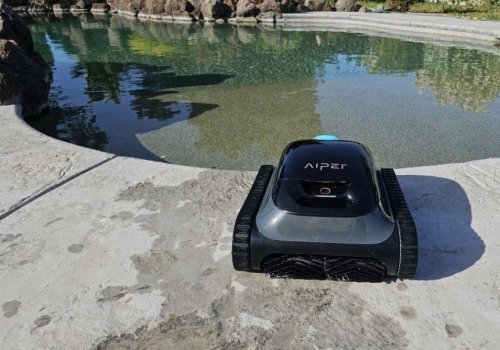
Robotic pool cleaners are often considered the most advanced option on the market. These self-contained units operate independently of your pool's filtration system, using their own motors and filtration systems to clean effectively. Here are some key benefits:- Efficiency: Robotic cleaners can navigate the entire pool, including walls and steps, ensuring a thorough clean.
- Energy Savings: They consume less energy compared to other types since they do not rely on the pool pump.
- User-Friendly: Most models come with programmable settings and remote control options for added convenience.
Suction-Side Pool Cleaners
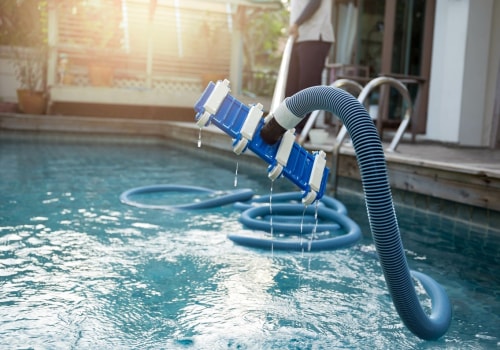
Suction-side cleaners are connected to your pool's existing filtration system.They use the suction created by the pump to move around the pool and collect debris. Here are some pros and cons:
- Cost-Effective: Generally, suction-side cleaners are more affordable than robotic models.
- Simplicity: They are easy to set up and require minimal maintenance.
- Dependence on Pump: Their performance is directly linked to your pool pump's power; if the pump is weak, cleaning efficiency may suffer.
Pressure-Side Pool Cleaners
Pressure-side cleaners operate using water pressure from your pool's return jets. They typically have their own bag or canister for collecting debris. Here’s what you need to know:- Powerful Cleaning: These cleaners can handle larger debris like leaves and twigs effectively.
- No Need for Pumping Power: They work independently of your main pump's suction power.
- Additional Equipment Required: Many pressure-side cleaners require a booster pump, which adds to the overall cost.
Understanding these differences will help you make an informed decision that keeps your pool clean and enjoyable all season long.
Top Automatic Pool Cleaners on the Market
As we dive into the world of automatic pool cleaners, it's essential to highlight some of the top-rated models available in 2023. These cleaners not only promise efficiency but also deliver exceptional performance, making them a worthy investment for any pool owner.Dolphin Nautilus CC Plus
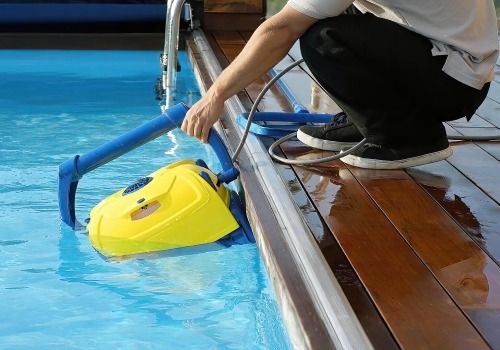
The Dolphin Nautilus CC Plus is a standout choice for those seeking a reliable and efficient cleaning solution. This robotic cleaner is designed for in-ground pools up to 50 feet in length. With its dual scrubbing brushes and powerful suction, it effectively removes dirt, debris, and even algae from the pool floor and walls. Users appreciate its easy-to-use plug-and-play feature, allowing for hassle-free operation.Additionally, the Nautilus CC Plus comes with a weekly scheduler, enabling you to set cleaning cycles according to your preference.
Aiper Seagull Pro
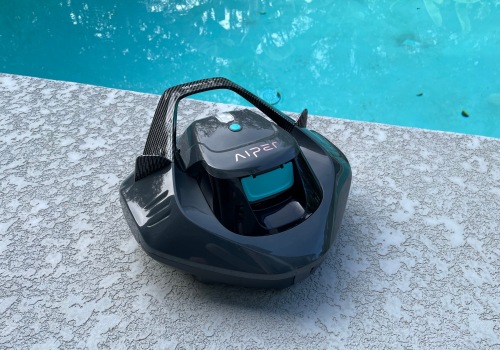
For those looking for a budget-friendly option without compromising on quality, the Aiper Seagull Pro is an excellent choice. This cordless robotic cleaner is perfect for above-ground pools and smaller in-ground pools. It features a lightweight design and operates on battery power, making it easy to maneuver. Users have reported that it effectively picks up leaves and small debris, making it ideal for regular maintenance.The quick charging time of just 2.5 hours ensures that you can keep your pool clean with minimal downtime.
Poolvergnuegen 4-Wheel Drive
If you have a larger pool with various surfaces, the Poolvergnuegen 4-Wheel Drive is worth considering. This cleaner is known for its robust performance on both flat and sloped surfaces. Its unique four-wheel drive system allows it to navigate obstacles effortlessly while providing thorough cleaning coverage. Users have praised its ability to climb walls and tackle tough debris, making it a reliable option for comprehensive pool maintenance.Dolphin Premier
The Dolphin Premier is another top contender in the market, offering advanced features such as smart navigation and multiple filter options.This model is equipped with a powerful motor that ensures efficient cleaning of all pool surfaces, including tiles and vinyl liners. The Premier's ability to switch between different filter types allows users to customize their cleaning experience based on the type of debris present in their pool. In conclusion, selecting the right automatic pool cleaner can significantly enhance your pool maintenance routine. Each of these models brings unique features and benefits to the table, catering to various needs and budgets. Whether you prioritize efficiency, ease of use, or advanced technology, there’s a perfect cleaner out there for you.
Maintenance Tips for Your Automatic Pool Cleaner
Maintaining your automatic pool cleaner is essential for ensuring its longevity and optimal performance.Regular upkeep not only enhances the efficiency of the cleaner but also protects your investment in the long run. Here are some practical maintenance tips to keep your pool cleaner in top shape:
- Regularly Check and Clean Filters: The filters in your automatic pool cleaner play a crucial role in trapping debris and keeping your pool water clean. Make it a habit to check the filters weekly, especially during peak swimming seasons. Clean or replace them as needed to prevent clogs that can hinder performance.
- Inspect the Brushes: The brushes on your pool cleaner are responsible for scrubbing surfaces and dislodging dirt.
Over time, these brushes can wear down or become tangled with debris. Inspect them regularly and replace them if they show signs of wear or damage.
- Examine Cables and Hoses: The cables and hoses connected to your automatic pool cleaner should be free of kinks, tears, or tangles. Regularly inspect these components for any signs of wear and replace them if necessary to ensure smooth operation.
- Keep the Cleaner Clean: Just as you clean your pool, you should also clean your automatic pool cleaner. After each use, rinse it off with fresh water to remove any debris or chemicals that may have accumulated.
This simple step can prevent corrosion and extend the life of your cleaner.
- Store Properly: When not in use, store your automatic pool cleaner in a cool, dry place away from direct sunlight. Avoid leaving it in the pool for extended periods, as prolonged exposure to sunlight can damage its components.
- Follow Manufacturer Guidelines: Always refer to the manufacturer’s manual for specific maintenance instructions tailored to your model. Each automatic pool cleaner may have unique requirements that are essential for its upkeep.
Common Issues with Automatic Pool Cleaners and Solutions
Automatic pool cleaners are a fantastic investment for maintaining a clean and inviting swimming pool.However, like any mechanical device, they can encounter issues that may hinder their performance. Below are some common problems users face with their pool cleaners and effective solutions to troubleshoot these issues.
- Cleaner Not Moving : If your automatic pool cleaner is not moving, check the power supply and ensure it is properly connected. Inspect the cable for any signs of damage or tangling. Additionally, verify that the cleaner's drive mechanism is functioning correctly; debris may be lodged in the wheels or tracks, preventing movement.
- Poor Cleaning Performance : If your cleaner is not picking up debris effectively, it could be due to a clogged filter or bag.
Regularly clean or replace the filter according to the manufacturer's instructions. Also, ensure that the cleaner is suitable for the type of debris in your pool; some models are better equipped for larger leaves while others excel at fine particles.
- Stuck in Corners : Many automatic cleaners struggle with tight corners or steps. To mitigate this issue, consider models designed with advanced navigation systems that can handle complex pool shapes. Alternatively, you can manually assist the cleaner by repositioning it when it gets stuck.
- Floating or Losing Suction : If your cleaner is floating instead of staying submerged, check for air leaks in the hose or connections.
Ensure that the hose is properly submerged and free of kinks. For loss of suction, inspect the pump and filter system to ensure they are functioning correctly and not clogged.
- Noise Issues : Excessive noise can indicate a problem with the motor or debris caught in the cleaner's components. Inspect the unit for any foreign objects and clean them out. If noise persists, consult the user manual for troubleshooting tips specific to your model.
Regular maintenance and timely troubleshooting will ensure that your pool remains clean and enjoyable throughout the swimming season.
Conclusion: Making the Right Choice for Your Pool Cleaning Needs
Choosing the right automatic pool cleaner is a crucial decision that can significantly impact your pool maintenance routine. As we have explored throughout this guide, various factors come into play when selecting the ideal cleaner for your specific needs. From understanding the different types of pool cleaners available to evaluating their features and performance, each aspect contributes to ensuring your pool remains clean and inviting. First and foremost, consider the type of pool you own—whether it’s an inground or above-ground pool—as this will dictate the compatibility of certain models. Robotic cleaners, suction-side cleaners, and pressure-side cleaners each have their unique advantages and limitations.For instance, robotic cleaners like the Dolphin Explorer E50 are known for their efficiency and ability to navigate complex pool shapes, while suction-side models may be more budget-friendly but could require more manual intervention. Next, assess the size and shape of your pool. Larger pools may benefit from models with longer cables or those designed for extensive coverage. Additionally, if your pool has unique features such as steps or a waterline that requires special attention, ensure that the cleaner you choose can handle these challenges effectively. Another critical factor is the type of debris commonly found in your pool. If you frequently deal with large leaves or heavy debris, opt for a cleaner with a robust suction capability and a large waste basket to minimize maintenance interruptions.
Conversely, if your primary concern is fine dirt or algae, look for models equipped with advanced filtration systems. Lastly, don’t overlook user-friendliness and maintenance requirements. A cleaner that is easy to operate and maintain will save you time and effort in the long run. Features such as programmable timers, remote control operation, and easy-to-clean filters can enhance your overall experience. In conclusion, investing time in understanding your specific needs and preferences will lead you to the best automatic pool cleaner for your situation. By carefully considering factors such as pool type, size, debris type, and ease of use, you can make an informed decision that ensures your pool remains a pristine oasis for relaxation and enjoyment.