Clear guidance for cleaner pools.
The Energy Efficiency of Robotic Pool Cleaners: A Comprehensive Guide
Discover how robotic pool cleaners save energy and enhance pool maintenance. Learn about their benefits, features, and cost-effectiveness.
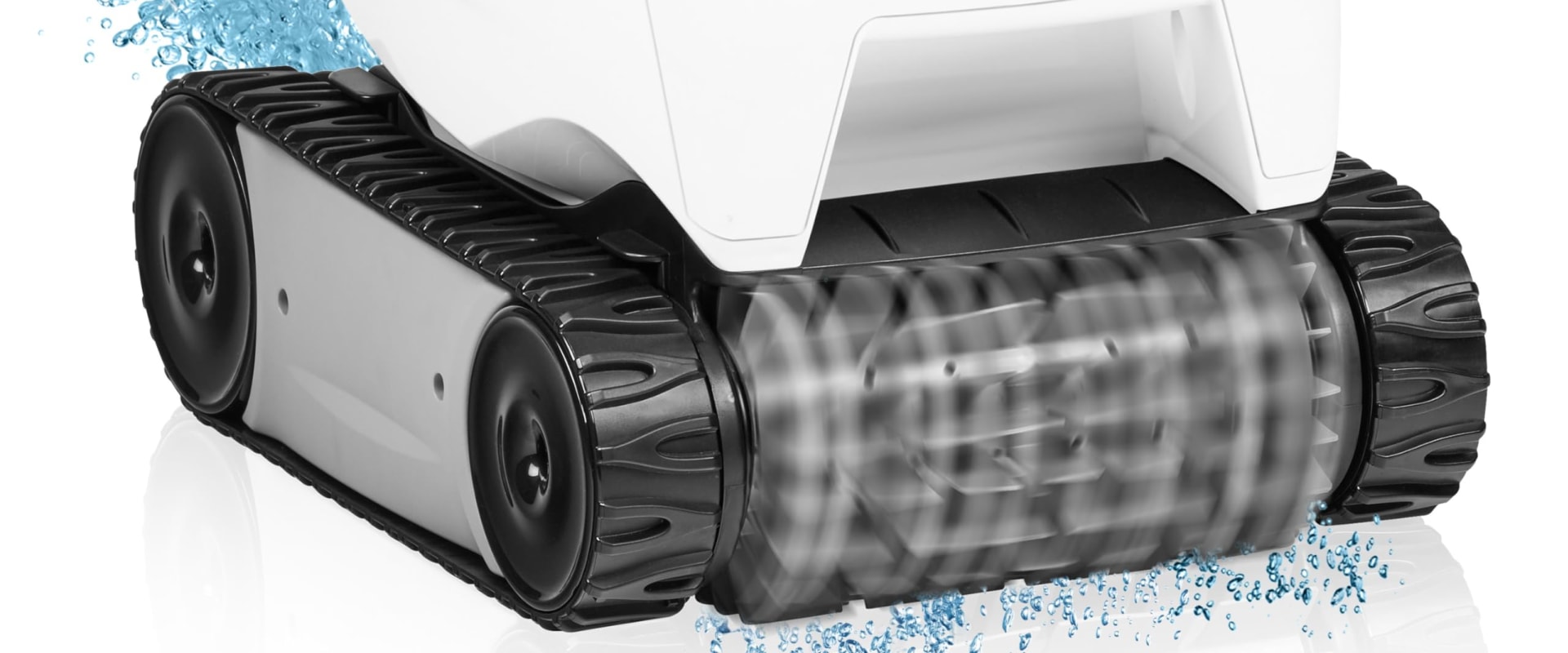
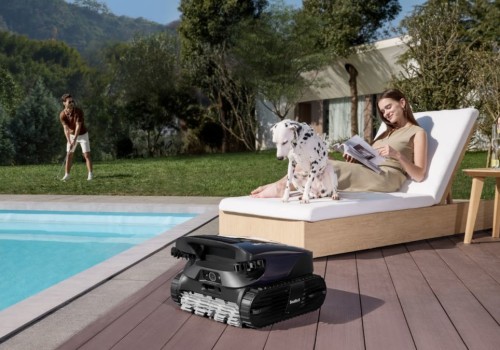
Robotic pool cleaners have revolutionized the way pool owners maintain their swimming environments. These innovative devices are designed to autonomously clean pools, ensuring that every inch of the surface is free from debris, dirt, and algae. Unlike traditional cleaning methods that often require manual labor and extensive time commitments, robotic pool cleaners operate independently, allowing homeowners to enjoy their pools without the hassle of constant upkeep. One of the primary benefits of robotic pool cleaners is their efficiency. Equipped with advanced technology, these cleaners utilize smart navigation systems that map out the pool's layout, ensuring comprehensive coverage.
This means they can effectively clean not just the floor but also the walls and waterline of the pool. Additionally, many models come with built-in filtration systems that capture fine particles, contributing to cleaner water and a healthier swimming environment. Understanding how robotic pool cleaners work is essential for appreciating their value. These devices are powered by electric motors that drive their movement and suction capabilities. They operate independently of the pool's main filtration system, which means they do not place additional strain on existing equipment.
Instead, they draw power from a low-voltage transformer, making them energy-efficient options for pool maintenance. With features like programmable cleaning cycles and remote control operation, robotic pool cleaners offer convenience and flexibility that traditional methods simply cannot match. In summary, robotic pool cleaners represent a significant advancement in pool maintenance technology. Their ability to clean efficiently while minimizing energy consumption makes them an attractive choice for modern pool owners looking to simplify their cleaning routines while maintaining a pristine swimming environment.
How Robotic Pool Cleaners Save Energy
Robotic pool cleaners are revolutionizing the way we maintain our swimming pools, particularly when it comes to energy efficiency. Understanding how these devices save energy can help pool owners make informed decisions about their maintenance routines and costs. One of the primary features that contribute to the energy efficiency of robotic pool cleaners is their advanced motor technology.Unlike traditional pool cleaners that rely on the pool's filtration system or external pumps, robotic cleaners are equipped with their own dedicated motors. This allows them to operate independently, consuming significantly less energy while performing effectively. For instance, many robotic models use less than 150 watts of power during operation, which is a fraction of what older models or pressure-side cleaners might require. In addition to efficient motors, robotic pool cleaners utilize intelligent cleaning algorithms. These algorithms are designed to optimize the cleaning path, ensuring that every inch of the pool is covered without unnecessary backtracking.
By calculating the most efficient route based on the pool's shape and size, these robots minimize their operational time and energy consumption. This not only leads to a cleaner pool but also reduces electricity costs associated with prolonged cleaning cycles. Another significant aspect of energy efficiency in robotic pool cleaners is their filtration systems. Many models come with advanced filtration capabilities that allow them to capture fine debris and contaminants, such as algae and small particles. This means that the pool water remains cleaner for longer periods, reducing the need for frequent filtration system operation and chemical treatments.
Consequently, this leads to lower overall energy usage and maintenance costs. Moreover, robotic pool cleaners are designed with smart scheduling features. Users can program these devices to clean at off-peak hours when electricity rates may be lower. This not only saves money but also contributes to a more sustainable approach to pool maintenance. In summary, the energy efficiency of robotic pool cleaners stems from their advanced motor technology, intelligent cleaning algorithms, effective filtration systems, and smart scheduling capabilities. By investing in a high-quality robotic cleaner, pool owners can enjoy a sparkling clean pool while significantly reducing their energy consumption and costs.
Comparing Robotic Pool Cleaners to Traditional Cleaning Methods
When it comes to maintaining a clean and inviting swimming pool, pool owners often find themselves weighing the pros and cons of various cleaning methods.Among these, robotic pool cleaners have gained significant popularity due to their advanced technology and efficiency. In contrast, traditional cleaning methods such as suction and pressure cleaners have been the go-to options for many years. Understanding the differences between these methods can help you make an informed decision about which is best for your pool.
Energy Efficiency
One of the most notable advantages of robotic pool cleaners is their energy efficiency. Unlike traditional suction and pressure cleaners that rely on your pool's filtration system, robotic cleaners operate independently.
They come equipped with their own motors and filtration systems, which means they do not draw power from your main pump. This independence allows them to consume significantly less energy while effectively cleaning your pool.
For instance, a typical robotic cleaner uses about 60-90 watts per hour, whereas a suction cleaner can use up to 300 watts or more, depending on the size of your pool and the power of your pump. Over time, this difference in energy consumption can lead to substantial savings on your electricity bill.
Cleaning Effectiveness
In terms of cleaning performance, robotic pool cleaners often outperform traditional methods. They utilize advanced navigation systems that allow them to map out the pool's layout and ensure comprehensive coverage of all surfaces, including walls and steps.
This level of precision is difficult to achieve with suction or pressure cleaners, which may miss spots or require manual intervention.
Moreover, robotic cleaners are designed with superior filtration capabilities. Many models feature fine mesh filters that can capture debris as small as 2 microns, including algae and bacteria. This ensures that not only is your pool visually clean, but it also maintains better water quality.
Cost Comparison
While the initial investment in a robotic pool cleaner may be higher than that of traditional cleaners, the long-term savings can be significant. Robotic cleaners typically require less maintenance and fewer repairs due to their durable construction and independent operation.
Additionally, the reduced energy consumption translates into lower utility bills over time.
In contrast, suction and pressure cleaners often necessitate ongoing costs related to pump operation and potential repairs due to wear and tear on your pool's filtration system. When considering both upfront costs and long-term expenses, robotic pool cleaners frequently emerge as the more economical choice.
Conclusion
In summary, when comparing robotic pool cleaners to traditional cleaning methods like suction and pressure cleaners, it becomes clear that robotic options offer superior energy efficiency, enhanced cleaning effectiveness, and potential cost savings over time. For those looking to maintain a pristine swimming environment with minimal effort and expense, investing in a robotic cleaner is a wise decision.
Key Features of Energy-Efficient Robotic Pool Cleaners
When considering the purchase of a robotic pool cleaner, understanding the key features that contribute to their energy efficiency is essential. These features not only enhance cleaning performance but also ensure that the operation remains cost-effective and environmentally friendly.- Intelligent Navigation Technology: One of the standout features of modern robotic pool cleaners is their intelligent navigation systems.
These systems utilize advanced sensors and algorithms to map out the pool's layout, allowing the cleaner to efficiently cover every inch of the surface. By avoiding obstacles and optimizing its cleaning path, a robotic cleaner can complete its task in less time, thereby consuming less energy.
- Efficient Filtration Systems: Energy-efficient robotic pool cleaners are equipped with high-quality filtration systems that capture debris, dirt, and even microscopic particles. Many models feature dual or multi-layer filtration, which can trap contaminants as small as 2 microns. This not only improves water quality but also reduces the need for additional chemical treatments, further saving on costs.
- Low Power Consumption: Unlike traditional pool cleaning methods that rely on powerful pumps and suction systems, robotic cleaners operate on significantly lower power levels.
Most models consume about 60-90% less energy than conventional cleaners. This is achieved through the use of energy-efficient motors that provide strong suction without excessive power draw.
- Programmable Cleaning Cycles: Many robotic pool cleaners come with programmable settings that allow users to schedule cleaning sessions at their convenience. This feature ensures that the cleaner operates during off-peak hours when electricity rates may be lower, maximizing energy savings.
- Self-Contained Operation: Robotic pool cleaners are designed to operate independently of your pool's filtration system. They have their own built-in filtration and motor systems, which means they do not place additional strain on your existing equipment.
This self-sufficiency not only enhances energy efficiency but also prolongs the lifespan of your pool's pump and filter.
Cost Analysis: Initial Investment vs Long-Term Savings
When considering the purchase of a robotic pool cleaner, potential buyers often focus on the initial investment. While the upfront cost can be significant, it is essential to evaluate this expense against the long-term savings that these devices can provide. Understanding the financial implications of investing in pool cleaning technology can help homeowners make informed decisions. The initial cost of a robotic pool cleaner typically ranges from $300 to $1,500, depending on the brand, features, and capabilities.Higher-end models often come equipped with advanced navigation systems, superior filtration, and energy-efficient motors. While this may seem steep compared to traditional cleaning methods, such as manual vacuums or suction-side cleaners, the long-term benefits can outweigh these initial costs. One of the most significant advantages of robotic pool cleaners is their energy efficiency. Unlike traditional cleaners that rely on your pool's pump and filtration system, robotic cleaners operate independently. This means they do not add extra strain to your existing equipment, which can lead to lower energy bills.
On average, robotic pool cleaners consume about 30% less energy than pressure or suction cleaners. Over time, this reduction in energy consumption can translate into substantial savings on your monthly utility bills. In addition to energy savings, robotic pool cleaners also reduce maintenance costs. Traditional cleaning methods often require more frequent repairs and replacements due to wear and tear on your pool's pump and filter system. By using a robotic cleaner, you minimize the risk of damage to these components, leading to fewer repair costs over time. Moreover, many robotic pool cleaners come with advanced filtration systems that enhance water quality.
This means you may spend less on chemicals and water balancing products, further contributing to your overall savings. The ability of these devices to filter out fine debris and algae ensures that your pool remains clean and safe for swimming without excessive chemical use. To summarize, while the initial investment in a robotic pool cleaner may be higher than traditional options, the long-term savings on energy bills and maintenance costs make it a wise financial decision. Homeowners should consider not only the upfront price but also how much they can save over time by investing in this innovative cleaning technology.
Environmental Impact of Robotic Pool Cleaners
As the world becomes increasingly aware of environmental issues, the demand for eco-friendly pool cleaning solutions has surged. Robotic pool cleaners stand out as a sustainable choice for maintaining pool hygiene while minimizing environmental impact.Here are some key environmental benefits associated with these innovative devices:
- Reduced Water Usage: Traditional pool cleaning methods often require significant amounts of water for backwashing filters and maintaining optimal water levels. In contrast, robotic pool cleaners operate independently and do not necessitate frequent backwashing, leading to substantial water savings. By using these cleaners, pool owners can conserve thousands of gallons of water annually.
- Lower Energy Consumption: Robotic pool cleaners are designed with energy efficiency in mind. They utilize advanced motors and intelligent navigation systems that allow them to clean pools effectively while consuming less electricity compared to conventional cleaning methods.
This reduction in energy use not only lowers utility bills but also decreases the overall carbon footprint associated with pool maintenance.
- Minimized Chemical Use: Maintaining a clean pool often involves the use of various chemicals to combat algae and bacteria. Robotic cleaners enhance water circulation and filtration, which can lead to improved water quality and reduced reliance on harsh chemicals. This is particularly beneficial for eco-conscious consumers who are concerned about the impact of pool chemicals on local ecosystems.
- Durability and Longevity: Many robotic pool cleaners are built to last, reducing the need for frequent replacements. This durability contributes to sustainability by minimizing waste and the environmental impact associated with manufacturing new products.
Their ability to filter out fine debris, including leaves, dirt, and even microscopic algae, ensures that your pool remains pristine while supporting a healthier ecosystem. As more consumers seek sustainable options in their daily lives, investing in a robotic pool cleaner aligns perfectly with the principles of green living. By choosing these advanced cleaning solutions, you not only enhance your pool experience but also contribute positively to the environment.
Maintenance Tips for Maximizing Energy Efficiency
To ensure that your robotic pool cleaner operates at its best and maintains its energy efficiency, regular maintenance is essential. Here are some practical tips to help you maximize the performance and longevity of your pool cleaner:- Regularly Clean the Filters: The filters in your robotic pool cleaner play a crucial role in trapping debris and maintaining water clarity. Check and clean the filters after each use, especially if your pool is prone to heavy debris.
A clogged filter can reduce suction power and increase energy consumption.
- Inspect the Brushes: The brushes on your robotic cleaner are responsible for scrubbing the pool surfaces. Over time, these brushes can wear down or become tangled with debris. Regularly inspect them for damage and replace them as needed to ensure optimal cleaning performance.
- Check for Obstructions: Before each cleaning cycle, inspect your pool for any large objects or obstructions that could hinder the cleaner's movement. Removing these items not only protects your cleaner but also allows it to operate more efficiently.
- Keep the Cables Untangled: Ensure that the power cable is free from knots or tangles.
A tangled cable can restrict movement and lead to inefficient cleaning patterns, which may require more energy to complete the job.
- Store Properly: When not in use, store your robotic pool cleaner in a cool, dry place away from direct sunlight. This helps prevent damage to its components and prolongs its lifespan.
- Schedule Regular Maintenance: Just like any other equipment, robotic pool cleaners benefit from periodic professional maintenance. Consider having a technician check the internal components and perform any necessary repairs or upgrades.
Frequently Asked Questions About Robotic Pool Cleaners
Robotic pool cleaners have gained popularity among pool owners for their efficiency and ease of use.However, many users still have questions about their operation, maintenance, and troubleshooting. Below are some frequently asked questions that can help clarify common concerns.
What are the main benefits of using a robotic pool cleaner?
Robotic pool cleaners offer several advantages:- Energy Efficiency: They consume less electricity compared to traditional cleaning methods, making them cost-effective in the long run.
- Thorough Cleaning: Equipped with advanced navigation systems, they can clean all areas of the pool, including walls and steps.
- Time-Saving: These devices operate independently, allowing you to spend less time on maintenance and more time enjoying your pool.
- Improved Water Quality: Many models feature advanced filtration systems that remove fine debris and contaminants, enhancing water clarity.
How do I troubleshoot my robotic pool cleaner?
If your robotic pool cleaner is not functioning as expected, consider the following troubleshooting tips:- Check Power Supply: Ensure that the cleaner is properly plugged in and that the outlet is functioning.
- Inspect Cables: Look for any signs of damage or tangling in the power cord or floating cable.
- Clean Filters: Clogged filters can hinder performance. Regularly clean or replace them as needed.
- Examine Brushes: Worn-out brushes may not effectively scrub surfaces. Check for wear and replace if necessary.
What are the best practices for using a robotic pool cleaner?
To maximize the efficiency and lifespan of your robotic pool cleaner, follow these best practices:- Regular Use: Run your cleaner at least once a week to prevent debris buildup and maintain water quality.
- Avoid Overloading: Do not allow large debris to accumulate in the pool before cleaning; this can strain the motor.
- Store Properly: After use, store your cleaner in a cool, dry place to protect it from environmental damage.
- Follow Manufacturer Guidelines: Always refer to the user manual for specific instructions regarding operation and maintenance.
Conclusion: The Future of Pool Cleaning Technology
As we look towards the future of pool cleaning technology, it is clear that robotic pool cleaners are at the forefront of innovation.The advancements in energy efficiency, cleaning performance, and user convenience are transforming how pool owners maintain their aquatic spaces. By choosing a robotic cleaner, you are not only investing in a product that simplifies your maintenance routine but also one that contributes positively to the environment. The key benefits of robotic pool cleaners discussed throughout this guide highlight their superior energy efficiency compared to traditional cleaning methods. With their advanced motor technology and intelligent navigation systems, these devices operate with minimal energy consumption while delivering exceptional cleaning results. This means that you can enjoy a sparkling clean pool without the worry of skyrocketing electricity bills. Moreover, the integration of smart features such as programmable schedules and remote control capabilities allows for a tailored cleaning experience.
Pool owners can set their robotic cleaners to operate at optimal times, further enhancing energy savings and convenience. As technology continues to evolve, we can expect even more sophisticated features that will make pool maintenance easier and more efficient. In addition to energy savings, investing in a high-quality robotic pool cleaner like the Maytronics Dolphin ensures that your pool remains safe and healthy for swimming. The advanced filtration systems effectively remove debris and contaminants, including fine particles like algae, which traditional cleaners often miss. This not only improves water quality but also reduces the need for harsh chemicals, making your pool more eco-friendly. In conclusion, the future of pool cleaning is bright with the rise of energy-efficient robotic pool cleaners.
They represent a significant leap forward in technology, offering unparalleled convenience and effectiveness. If you are considering upgrading your pool maintenance routine, now is the perfect time to invest in a robotic cleaner. Not only will you save time and effort, but you will also contribute to a more sustainable future for our planet.